The Life-Changing Benefits of Horseback Riding Lessons: Why Your Investment is Worth Every Penny
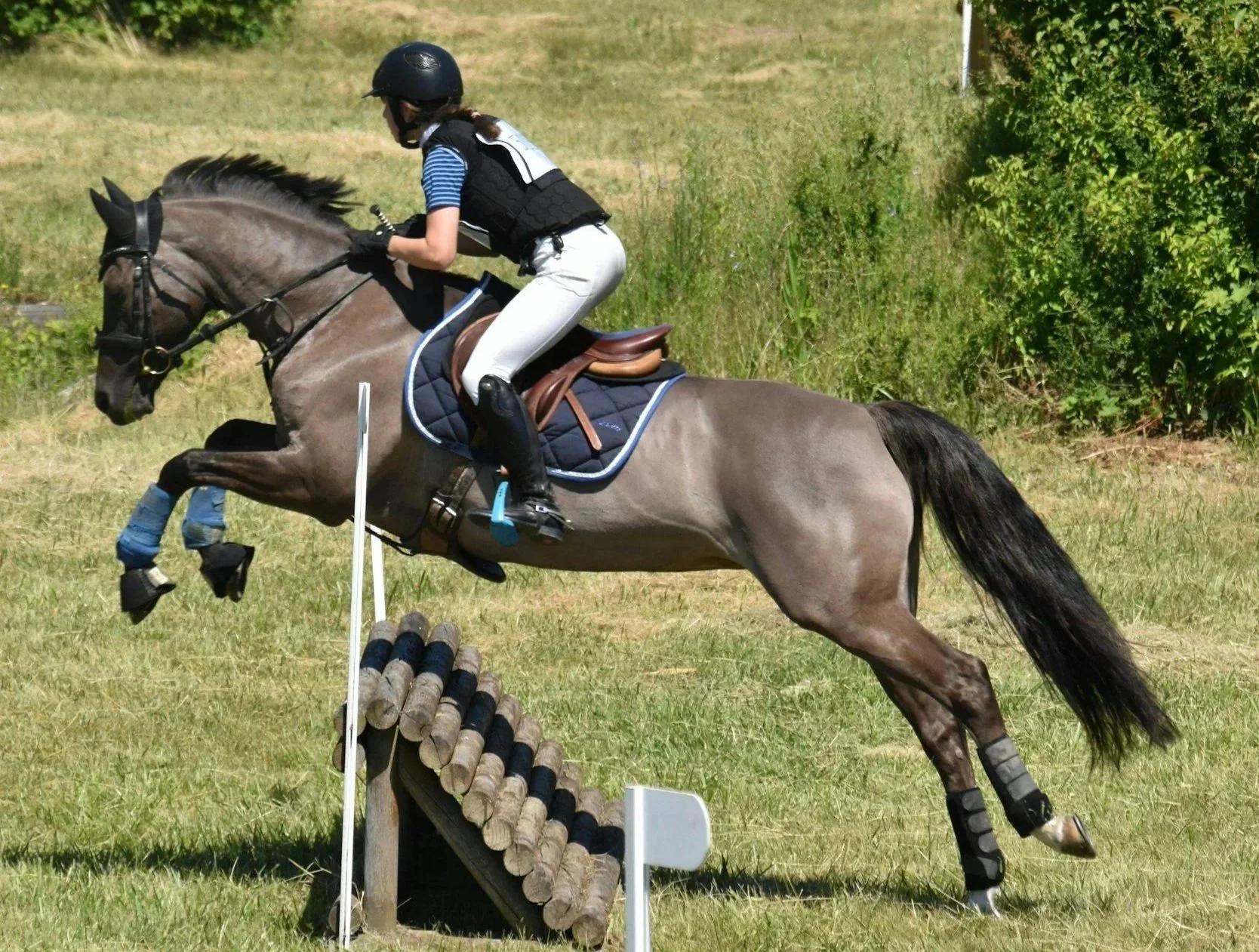
You write the check for this month's riding lessons and pause at the number. It always seems substantial for the time your child spends at the barn. Sometimes you wonder if it's worth the investment, especially knowing there likely won't be college scholarships or financial returns. But what if we told you the benefits of horseback riding lessons extend far beyond ribbons and trophies?
The truth is, your child is gaining invaluable life skills that will serve them well into adulthood. At the barn, real-world abilities are being developed in a relatively safe environment. While there are inherent risks like any sport, the benefits of horseback riding lessons include building responsibility, self-reflection, perseverance, confidence, and humility on a regular basis.
Why Horseback Riding Lessons Are More Than Just a Hobby
Many sports can teach valuable life lessons, but the benefits of horseback riding lessons are uniquely comprehensive. Whether your child is just starting with basic beginner riding techniques or progressing to advanced skills, they're developing crucial abilities that translate directly to success in school, work, and relationships.
The equestrian world provides what educators call a "head fake" – a space where essential life skills are practiced and improved while your child thinks they're simply having fun with horses.
Key Benefits of Horseback Riding Lessons
Communication and Negotiation Skills
Your child learns to communicate, negotiate, and compromise with a 1,200-pound partner who has their own agenda. Horses respond to body language and energy, never to force or aggression. This teaches children how to work collaboratively with others to achieve mutual goals – a skill that's invaluable in future careers and relationships.
Logical Thinking Under Pressure
How often do children get to practice concentrating and problem-solving when their physical safety literally depends on emotional control? Horses are flight animals, and when their instincts take over, riders must remain calm and think logically. This benefit of horseback riding lessons builds incredible mental resilience and decision-making abilities under stress.
Accepting Feedback and Making Improvements
A coachable child becomes an employable adult. Through riding lessons, children learn to accept constructive criticism from instructors and apply changes immediately. They develop the ability to recognize their own shortcomings while building on their strengths – a growth mindset that serves them throughout life.
Body Awareness and Control
Since horses read body language constantly, riders must develop exceptional awareness and control of their physical movements. Every shift in weight, tension in shoulders, or change in breathing affects the horse's response. This heightened body awareness often improves children's performance in other sports and activities.
Emotional Regulation
There's a saying in the horse world: "The only emotions that belong in the saddle are patience and a sense of humor." Emotional outbursts of anger or frustration never achieve desired results with horses. Children quickly learn to manage their emotions and maintain composure while working through challenges.
For parents wondering about the cost of riding lessons, these emotional regulation skills alone often justify the investment, as they translate to better behavior at home and improved academic performance.
The Next Level: Benefits of Leasing a Horse
Once your child has mastered basic riding safety fundamentals and expresses desire to advance further, instructors often suggest leasing as the next step. The benefits of horseback riding lessons expand significantly when children develop a relationship with a single horse.
Deeper Connection and Trust-Building
Unlike lesson horses that rotate between students, a lease horse allows your child to build a genuine relationship based on mutual trust and understanding. They learn that trust must be earned and maintained consistently over time – a lesson that applies to all future relationships.
Increased Responsibility
Leasing means your child becomes more responsible for the horse's daily care and wellbeing. They learn that animals depend on consistent care regardless of weather, mood, or other plans. This responsibility naturally extends to other areas of their life, including schoolwork and household chores.
The Ultimate Commitment: Benefits of Horse Ownership
For families ready to make the full commitment, horse ownership provides the most comprehensive benefits of horseback riding lessons and equine partnership.
Goal Setting and Achievement
When children own their horses, their dreams become tangible and achievable through their own effort and dedication. They learn to set both short-term training goals and long-term competition objectives, developing the persistence needed to achieve them.
Athletic Training and Development
Horse owners learn to properly train, condition, and care for an equine athlete. They understand nutrition, fitness, and recovery principles that often spark interest in equine science careers or simply promote healthy lifestyle habits.
Deeper Commitment and Problem-Solving
Ownership means you can't simply walk away when challenges arise. Children learn perseverance and creative problem-solving as they work through training setbacks, behavioral issues, or partnership difficulties.
Financial and Time Management
Horses require significant time and financial resources. Young owners learn budgeting, resource allocation, and time management skills. They must arrange care when they're unavailable and understand the true cost of their passion.
Safe Social Environment
When children spend time at the barn, they're engaged in physical, productive activities within a supportive community rather than unsupervised at malls or online. The equestrian community often becomes a second family.
Professional Networking
The horse world is surprisingly small and well-connected. Many successful professionals got their start or make valuable career connections through their involvement with horses. It's a unique interest that often opens doors in unexpected ways.
Competition Benefits: Horse Showing as Life Preparation
While horse showing can be expensive, it amplifies many benefits of horseback riding lessons by adding performance pressure and objective evaluation.
Performance Skills
Horse showing is essentially repeated job interview practice. Children learn to present themselves professionally, perform under scrutiny, accept evaluation, and maintain composure regardless of outcomes.
Preparation and Planning
Successful showing requires months of preparation, from conditioning the horse to perfecting techniques. Children develop discipline to practice challenging skills and learn strategic planning to peak at the right moments.
Goal Setting and Progress Measurement
Horse shows provide objective benchmarks to measure skill development over time. Children learn to set realistic goals and celebrate incremental improvements rather than focusing solely on winning.
Resilience and Perspective
In showing, you lose more often than you win, and there's always someone better. Children develop resilience, learn to bounce back from disappointments, and maintain perspective about success and failure.
Sportsmanship and Empathy
Perhaps most importantly, children learn to celebrate others' successes while experiencing their own setbacks. This develops genuine empathy, good sportsmanship, and the understanding that roles often reverse over time.
Making the Investment Decision
The benefits of horseback riding lessons extend far beyond what's visible during those few hours per week at the barn. If your child shows genuine passion for riding and horses fit within your family's budget, the life skills they'll develop often prove invaluable.
From improved communication and emotional regulation to goal-setting and financial responsibility, horses teach lessons that textbooks simply cannot. While there may not be college scholarships waiting, the confidence, work ethic, and life skills your child develops through riding will serve them well in whatever path they choose.
Ready to explore riding options for your child? Check out our guide to finding the right instructor or learn more about what to expect in first lessons.
Frequently Asked Questions About Riding Lesson Benefits
Q: Are horseback riding lessons really worth the cost? A: Yes! The benefits of horseback riding lessons extend far beyond the barn. Your child develops essential life skills including emotional regulation, responsibility, communication, problem-solving under pressure, and confidence. These skills translate directly to academic performance, future career success, and personal relationships. While there may not be college scholarships, the character development and life skills are invaluable investments in your child's future.
Q: What life skills do kids actually learn from riding lessons? A: Children learn numerous transferable skills through riding lessons:
Communication and negotiation (horses don't respond to force)
Emotional regulation and staying calm under pressure
Accepting feedback and making improvements quickly
Body awareness and physical control
Responsibility and time management
Goal setting and perseverance
Empathy and reading non-verbal cues
These skills help in school, sports, and future careers.
Q: At what age should my child start riding lessons? A: Most children can start riding lessons around age 6-8, though some programs accept younger children for ground work and pony rides. The key is that your child can follow basic instructions, has reasonable attention span, and shows genuine interest in horses. Every child develops differently, so discuss readiness with qualified instructors.
Q: How often should my child take riding lessons to see benefits? A: For maximum benefit, weekly lessons are ideal. This frequency allows children to build on previous lessons while maintaining muscle memory and confidence. More frequent lessons (2-3 times per week) accelerate progress, while less frequent lessons may slow skill development and confidence building.
Q: What's the difference between riding lessons, leasing, and owning a horse? A:
Lessons: Learn basic skills with different school horses, limited responsibility
Leasing: Work with one horse regularly, increased responsibility for care and training
Owning: Full responsibility for horse's wellbeing, maximum learning opportunities, highest commitment level
Each stage builds greater responsibility and deeper life skills.
Q: Are riding lessons safe for children? A: When conducted at reputable facilities with certified instructors, proper safety equipment, and well-trained school horses, riding lessons have manageable risk levels similar to other sports. Quality programs prioritize safety through helmet requirements, appropriate horse selection, and progressive skill building.
Q: Will my child lose interest in riding lessons? A: Children's interests naturally evolve, but those who develop genuine connections with horses often maintain lifelong involvement. The key is finding the right instructor match, appropriate challenge levels, and allowing your child to progress at their own pace without pressure.
Q: How do I know if my child's instructor is teaching life skills, not just riding? A: Quality instructors emphasize character development alongside technical skills. Look for instructors who:
Require respect and responsibility from students
Teach horse care alongside riding
Discuss emotions and problem-solving
Set clear expectations and boundaries
Connect riding concepts to life lessons
Q: Can riding lessons help children with confidence issues? A: Absolutely! Many children with confidence challenges thrive in riding programs. Building partnerships with horses, mastering new skills, and overcoming fears in a supportive environment naturally builds self-esteem. The non-judgmental nature of horses often helps shy children open up and find their voice.
Q: What if my child wants to compete? Is showing necessary for benefits? A: Horse showing amplifies many benefits through goal-setting, performance pressure, and sportsmanship opportunities, but it's not necessary. Many riders gain tremendous life skills through lessons, trail riding, and non-competitive horse activities. Follow your child's interests and comfort level.
Q: How do I budget for riding lessons and potential progression? A: Start with weekly lessons and budget for basic equipment (helmet, boots). As your child progresses, costs may increase with more frequent lessons, better equipment, leasing, or showing. Discuss long-term goals and financial boundaries with instructors to create realistic progression plans that fit your family's budget.
Looking for more insights about the equestrian lifestyle? Explore our article on picking the right riding school for riding lessons.
