Are Boots a Thing of the Past?
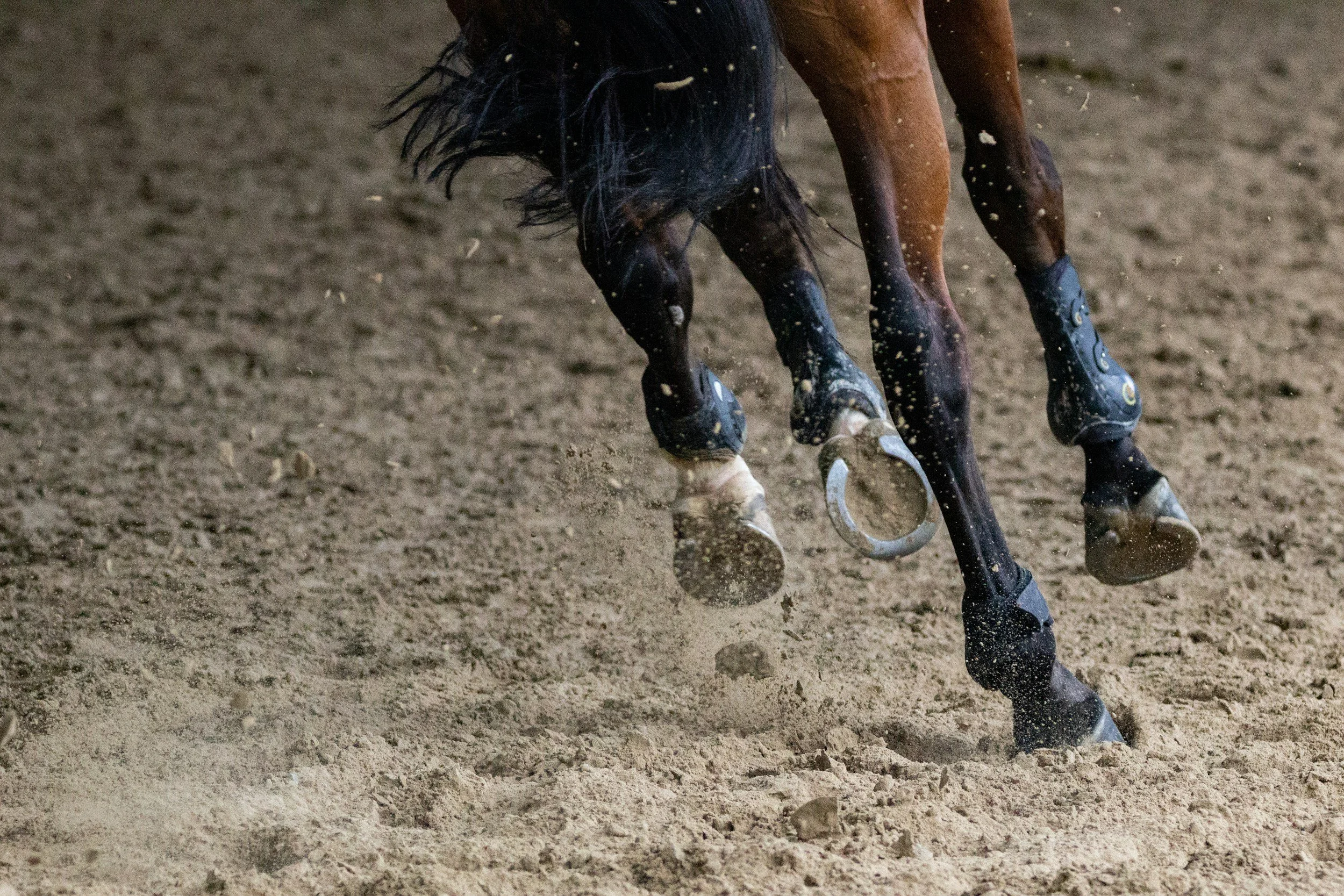
Wraps have saved my horses’ legs at least twice.
Once, a horse decided she could climb bleachers.
(She could not. But she tried. Enthusiastically.)
Another time, a leg ended up where legs absolutely do not belong. In both cases, wraps likely prevented serious injury. So yes—protective leg gear has absolutely done its job.
But here’s the uncomfortable question I’ve been sitting with lately:
Has the habit we’re taught from day one—“always boot or wrap”—actually caused more harm than good?
A study published in the Journal of Equine Veterinary Science looked at what happens to a horse’s legs during exercise when they’re wrapped or booted versus left bare. The big finding wasn’t about impact—it was about heat.
Boots and wraps significantly increase leg surface temperature during work. That trapped heat reduces the tendon’s ability to cool itself, and tendon tissue doesn’t love that. Repeated overheating has been linked to cellular damage and increased injury risk over time.
So while boots may protect against external trauma, they may quietly increase internal stress—especially during routine rides where interference risk is low.
The tradeoff:
✔️ Protection from strikes or accidents
❌ Reduced natural cooling of tendons
And no, icing after every ride isn’t a magic eraser. It helps—but it doesn’t undo repeated heat buildup during work.
So… what do we do?
Do we:
Boot or wrap every ride and religiously ice after?
Or reserve boots for moments of actual increased risk—young horses, known interferers, chaotic environments, shipping, turnout antics, and yes… bleacher-climbers?
Honestly? I don’t think there’s a single right answer.
What I do think:
Boots should be a tool, not a reflex
Ventilation matters
And learning to wrap correctly still matters a lot, because horses will absolutely continue their acrobatics and standing wraps aren’t going anywhere
I don’t have a perfect answer—but I think asking better questions is how horses end up sounder in the long run.
